buy
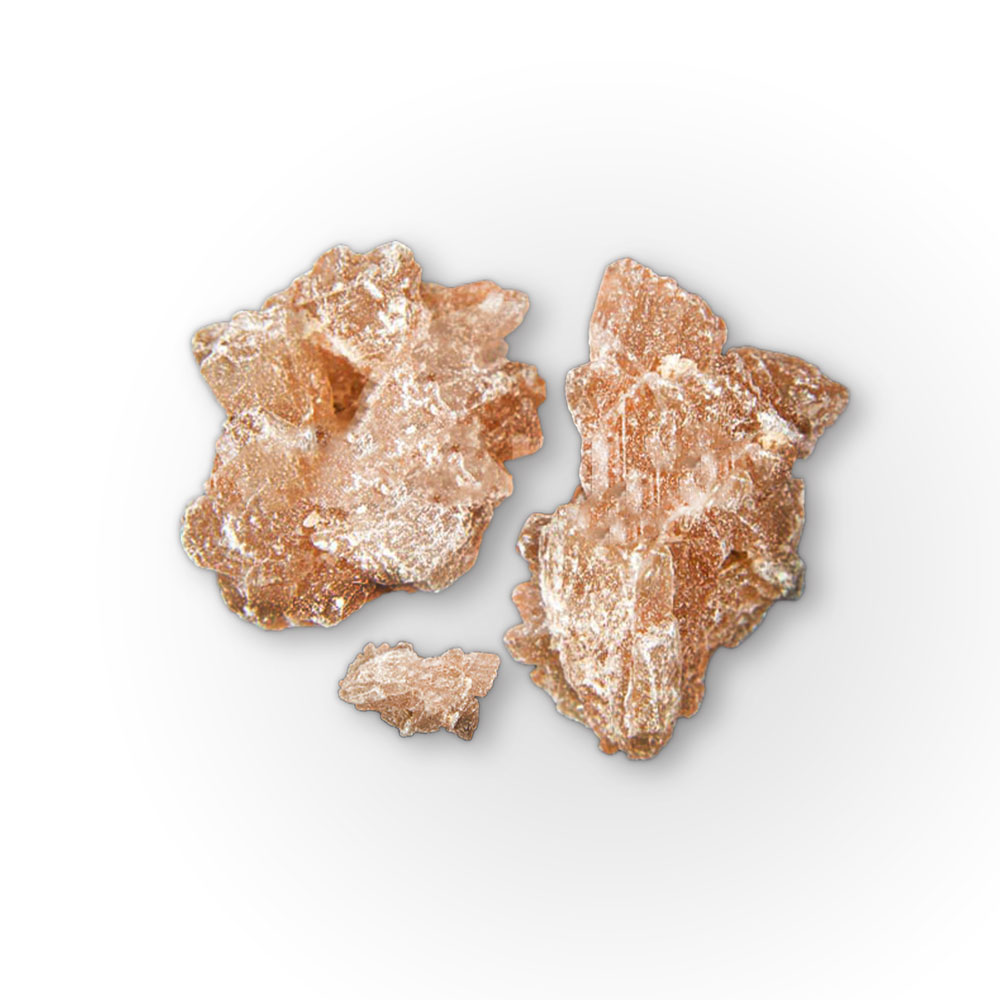
Pure Moon Rocks
$80.00 – $250.00Price range: $80.00 through $250.00
- Lab Tested
- Discreet Packaging
Moon rocks is a term commonly used to describe a crystalline or rock-like form of MDMA, also known as Molly or Ecstasy. MDMA is a synthetic substance with stimulant and mild psychedelic properties and is most often associated with altered sensory perception, heightened emotional response, and feelings of euphoria.
Buy Party Favours offers Pure Lab Tested Moon Rocks online.
Every order is guaranteed to be safe, secure and discreet. Order today.
Description
Key Characteristics
MDMA is associated with noticeable changes in emotional state, sensory perception, and energy levels. These effects tend to develop gradually, feel immersive, and last longer than those of many short-acting stimulants.
What MDMA Is Known For
People most often report changes such as:
-
Elevated mood and a sense of wellbeing
-
Increased empathy and sociability
-
Heightened appreciation of music and sensory input
-
Increased energy and stimulation
Individual experiences can vary widely depending on the person, environment, and substance composition.
How It Works
MDMA increases activity in several key brain neurotransmitters, particularly serotonin, along with dopamine and norepinephrine. This combination is linked to its characteristic effects on emotional connection, sensory perception, and stimulation, as well as increased physical demand on the body.
Duration and Progression of Effects
MDMA is generally described as producing a multi-hour experience followed by a gradual return toward baseline. The experience often follows a recognizable progression:
Onset Phase:
Effects build gradually, with increasing stimulation, emotional openness, and sensory awareness.
Peak Phase:
Mood elevation, empathy, and sensory enhancement are most pronounced during this period.
Decline Phase:
Effects slowly taper as energy and stimulation decrease.
Aftereffects:
Some individuals report lingering fatigue, low mood, or mental fog the following day, particularly after limited rest, overheating, or prolonged activity.
Usage Context
MDMA is often associated with social or group environments where music, shared experiences, and emotional connection are emphasized. Environmental factors such as temperature, activity level, and duration can influence how the experience is perceived.
Quality and Adulteration Considerations
One of the primary safety concerns with MDMA is variability in strength and composition, particularly outside of regulated or clinical settings. Unexpected potency or adulterants can significantly increase health risks, which is why harm-reduction organizations emphasize awareness and caution.
Potential Therapeutic Research
MDMA has been studied in controlled clinical settings as an adjunct to psychotherapy, most notably for post-traumatic stress disorder (PTSD). Research has focused on its potential to reduce fear responses and support emotional processing within structured therapeutic environments.
Possible Side Effects and Risks
Potential adverse effects may include:
-
Elevated heart rate and blood pressure
-
Jaw clenching, sweating, nausea, or insomnia
-
Anxiety, agitation, or panic in some individuals
-
Risk of overheating, dehydration, and other complications
-
Increased risk when combined with other substances
Legal Notice
MDMA is illegal or tightly regulated in many regions. Possession, distribution, or non-medical use may carry serious legal consequences depending on local laws.
Additional information
| Weight | 1 Gram, 3 Grams, 5 Grams |
|---|

Reviews
There are no reviews yet.