Description
- Key Characteristics
As a stimulant, cocaine is associated with short-term increases in alertness, energy, and mental stimulation. These effects develop rapidly but they are brief in duration compared to many other substances.
Usage Patterns and Context
Amount and Pacing
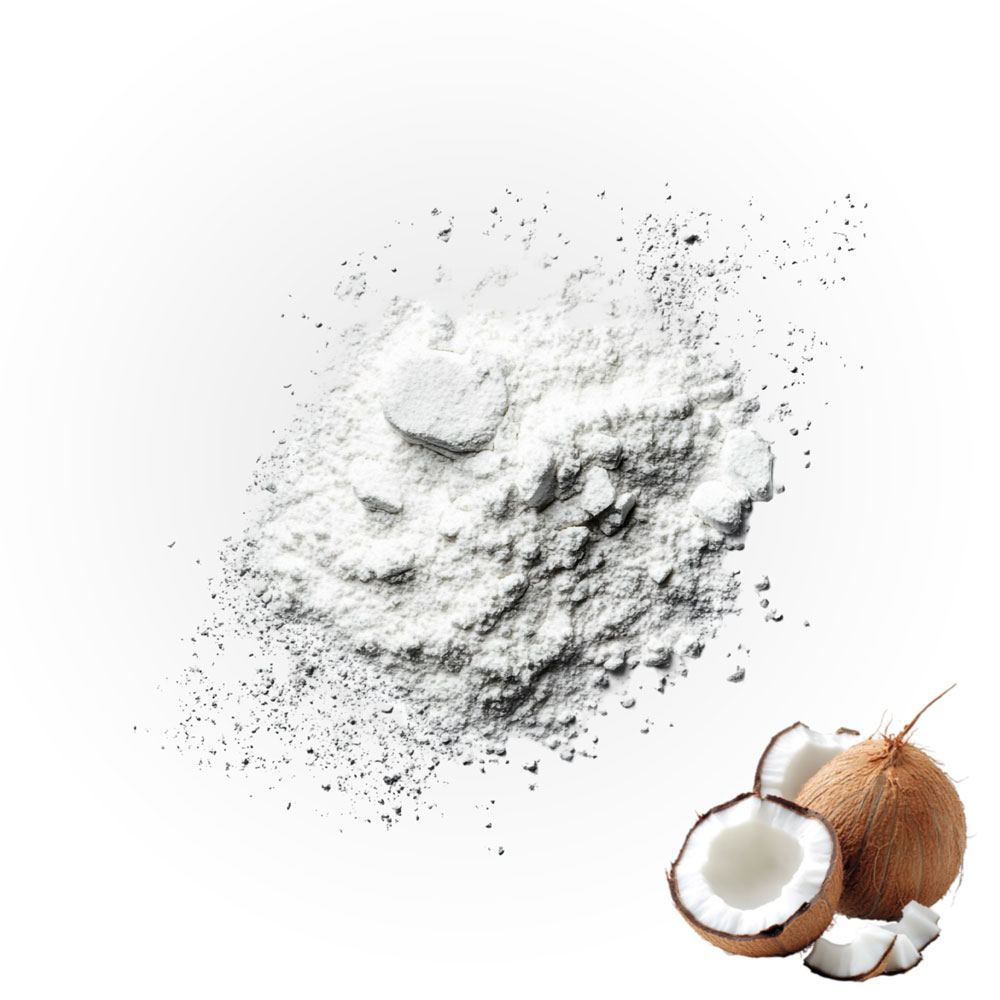
Powdered cocaine is commonly encountered in relatively small portions, often divided into individual lines or bumps rather than used all at once. Because its effects are short-lived, exposure may be spaced out over time rather than occurring in a single instance.
Environment
Cocaine use is frequently linked to social or high-energy settings, such as parties or gatherings, where stimulation and alertness are valued. Its stimulant properties can contribute to dehydration, making fluid intake an important consideration in these contexts.
Duration and Progression of Effects
The effects of powdered cocaine tend to appear quickly and fade within a relatively short window, with the primary stimulant phase typically lasting approximately 15–30 minutes. The experience often follows a general progression:
-
Initial Phase (first few minutes):
Effects emerge rapidly, producing a noticeable surge in energy, alertness, and confidence.
-
Heightened Phase (around 10–20 minutes):
Stimulant effects are most pronounced, often accompanied by increased talkativeness, sociability, and mental engagement.
-
Decline Phase (within 20–30 minutes):
Stimulation begins to subside, and energy levels may drop. This period may involve restlessness, irritability, or a desire to maintain the earlier effects.
-
Residual Effects (up to a few hours):
After the primary effects wear off, some individuals report lingering fatigue, low mood, or mental fog as brain chemistry gradually returns toward baseline.






Reviews
There are no reviews yet.