buy
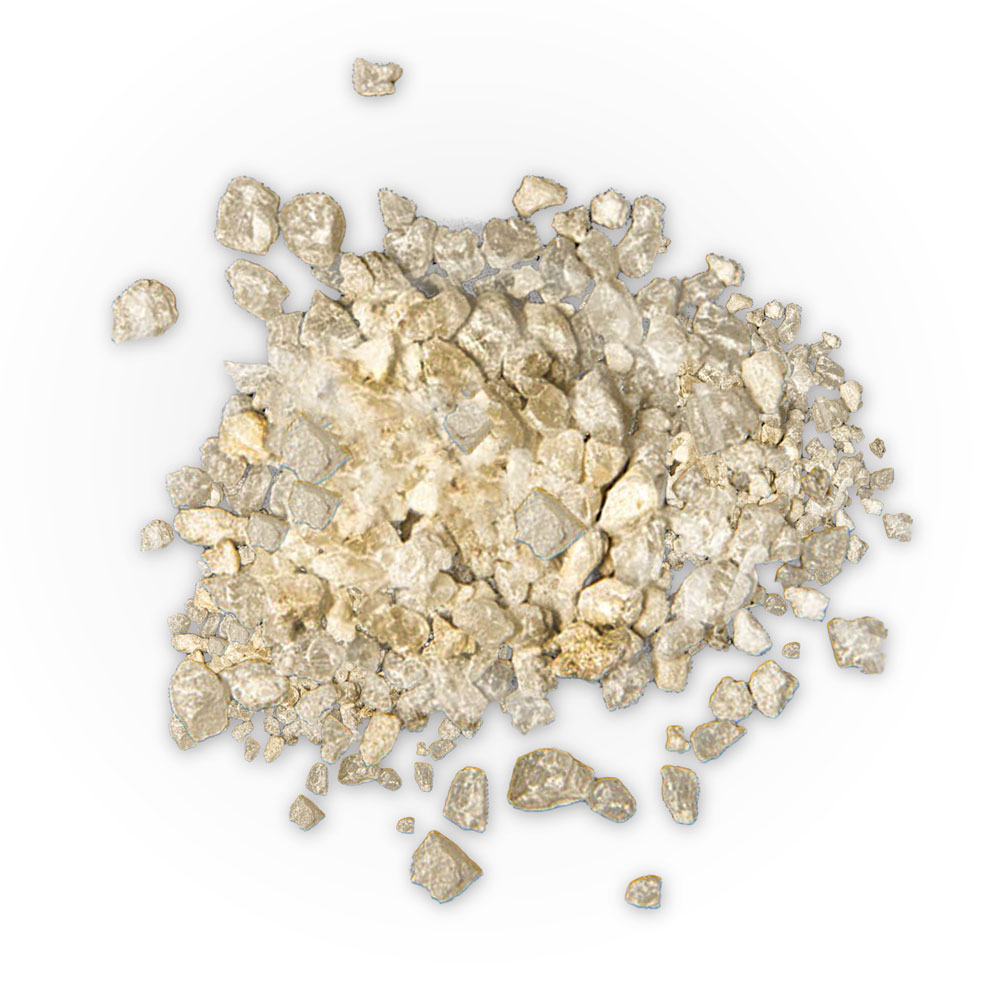
Pure Ketamine Type R
$100.00 – $260.00Price range: $100.00 through $260.00
- Lab Tested
- Discreet Packaging
R-ketamine is often discussed in terms of a subtler, more grounded experience compared to other forms of ketamine. Users commonly describe a gentler shift in mood, with feelings of mental openness, emotional steadiness, and a sense of resilience or clarity. These effects are thought to relate to pathways involved in synaptic flexibility and neural adaptation, though experiences vary and tend to be less intense and more internally focused.
Buy Party Favours offers Pure Lab Tested Ketamine Type R online.
Every order is guaranteed to be safe, secure and discreet. Order today.
Description
R-ketamine consists of pure R(+) ketamine, one of the two enantiomeric forms of the ketamine molecule. Unlike S-ketamine, R-ketamine has a lower binding affinity for N-methyl-D-aspartate (NMDA) receptors; however, it demonstrates a distinct pharmacological profile that has drawn increasing interest within medical and scientific research. Rather than relying primarily on NMDA receptor antagonism, R-ketamine appears to influence alternative neurobiological pathways associated with synaptic resilience, inflammation modulation, and long-term neural adaptation. These unique properties have positioned R-ketamine as a promising candidate for the development of novel therapeutic approaches.
Uses
R-ketamine is currently being investigated for a range of potential therapeutic applications, particularly in the areas of mental health and neurological research. Emerging studies suggest that R-ketamine may produce antidepressant effects that are comparable to, and in some cases longer-lasting than, those observed with S-ketamine. Notably, these effects may occur with a reduced incidence of dissociative or hallucinogenic responses, which are commonly associated with other ketamine formulations.
In addition to its antidepressant potential, R-ketamine has been explored for its anti-inflammatory and neuroprotective properties. Research indicates that it may play a role in reducing neuroinflammation, a process increasingly linked to mood disorders, chronic pain conditions, and neurodegenerative diseases. Because inflammation is thought to contribute to both psychiatric and neurological disorders, R-ketamine’s anti-inflammatory activity has become an important area of ongoing investigation.
While clinical use remains limited and research is still evolving, R-ketamine’s distinct pharmacological profile suggests it could represent a safer and more tolerable alternative to racemic ketamine or S-ketamine in certain therapeutic contexts. Scientists continue to evaluate its potential role in treating depression, chronic pain, and inflammation-related conditions within controlled research environments.
Characteristics
R-ketamine is characterized by a longer duration of action compared to S-ketamine, which may contribute to more sustained therapeutic effects. Studies indicate that it may enhance neuroplasticity more effectively, supporting long-term changes in neural connectivity and resilience. These effects are particularly relevant in conditions such as depression and neurodegenerative disorders, where impaired synaptic function plays a central role.
Another distinguishing feature of R-ketamine is its lower association with dissociative and hallucinogenic side effects. This reduced psychoactive profile has led researchers to consider its potential for improved tolerability and a lower risk of misuse when compared to other ketamine-based compounds. Some evidence also suggests that R-ketamine may carry a reduced risk of dependency, though further research is required to fully understand its long-term safety profile.
Additionally, R-ketamine’s anti-inflammatory properties make it a promising subject of study for chronic inflammatory conditions that affect both physical and mental health. By addressing inflammation alongside neural signalling pathways, R-ketamine may offer a more comprehensive approach to treatment in future clinical applications.
Additional information
| weight | 1 Gram, 3 Grams, 5 Grams |
|---|
Related products
-
Sale!
Pure Ketamine Type S
$100.00 – $260.00Price range: $100.00 through $260.00 This product has multiple variants. The options may be chosen on the product page -
Ketamine Nasal Spray
$120.00 This product has multiple variants. The options may be chosen on the product page

Reviews
There are no reviews yet.